
1
Set the scene
Start with context
Fill the frame
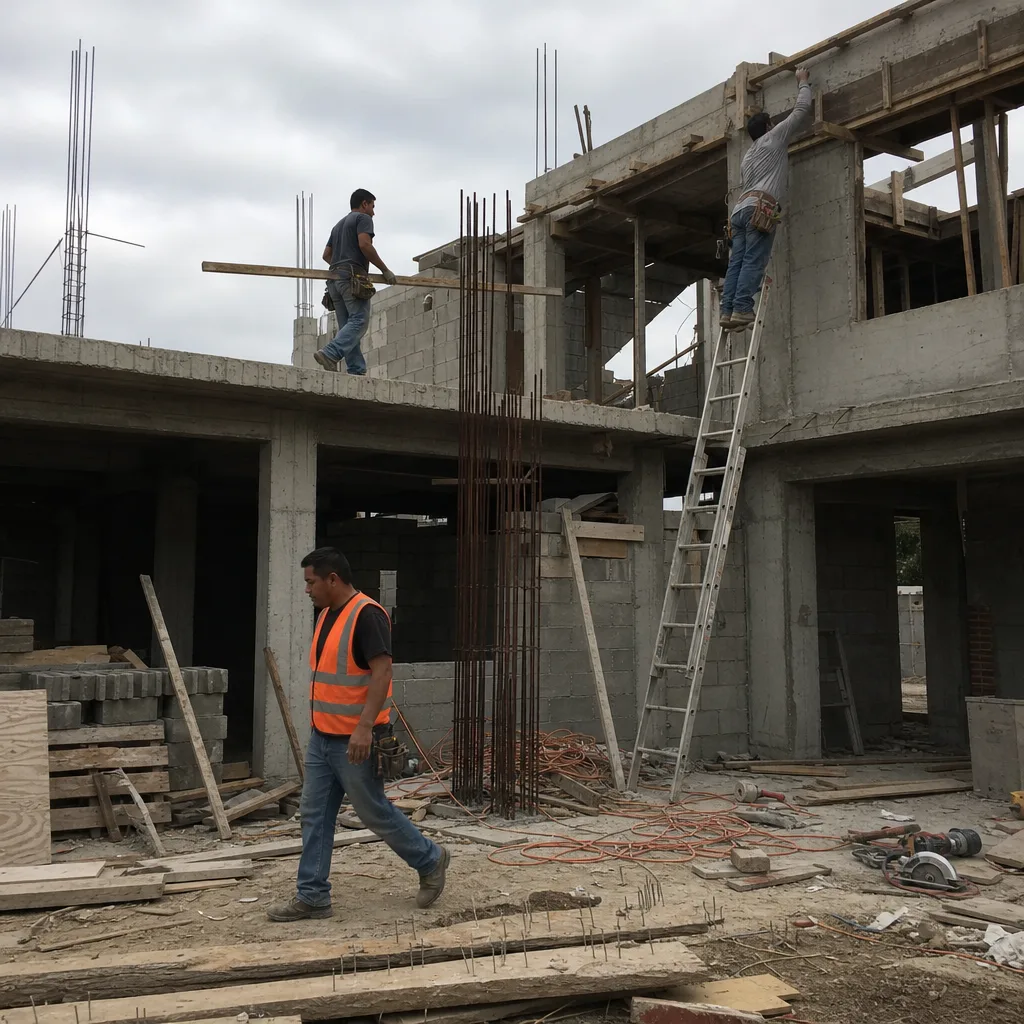
2–3 ft for close-ups; keep ladders, cords and workers fully in view.
A second set of eyes on every job site.
Empower your crews with computer vision that flags visible hazards in job-site photos or video walkthroughs. Instantly reference OSHA standards, build a proactive safety culture, and catch near-misses before they become incidents.
5 included + 10 signup bonus · No credit card · Results in ~15 seconds
AI-assisted preliminary safety review — not a substitute for a qualified safety professional.
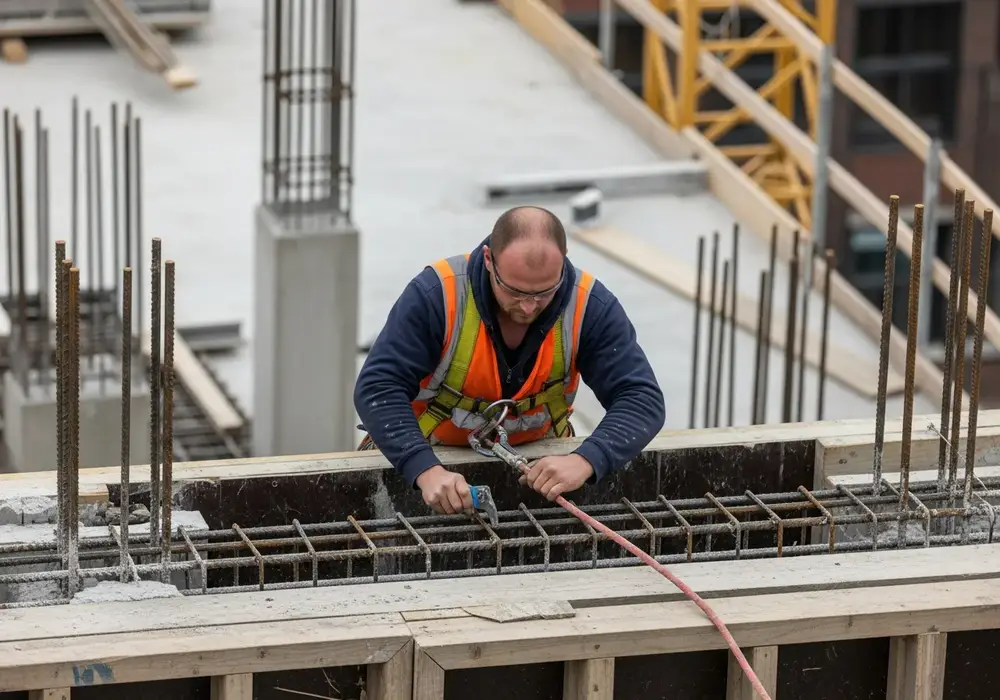
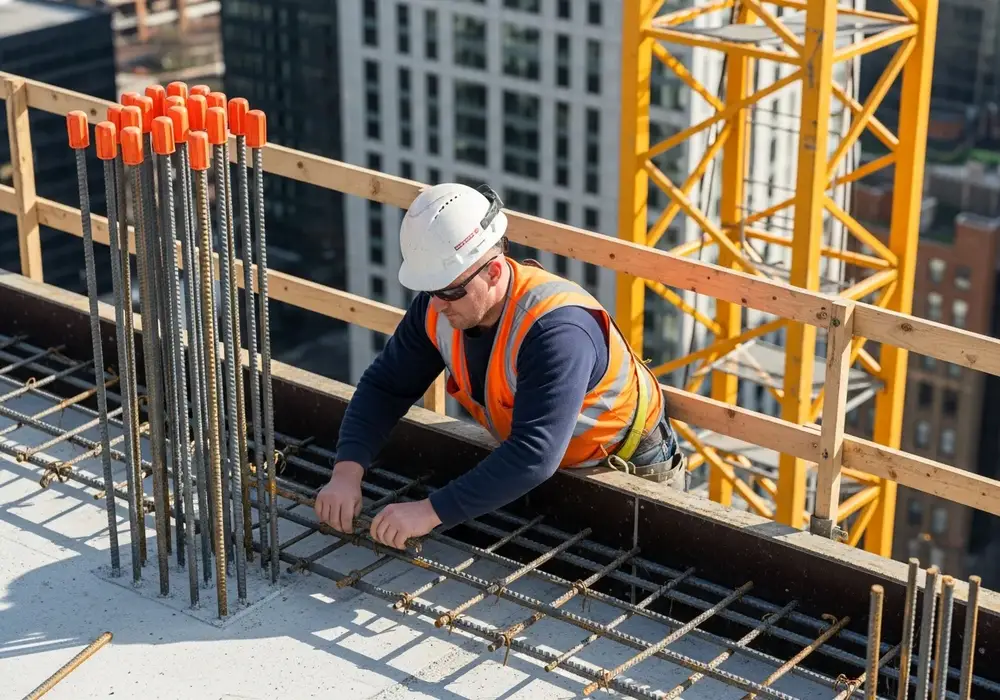
OSHA Scan is an independent tool and is not affiliated with, endorsed by, or certified by OSHA or the U.S. Department of Labor.
Upload a real job-site photo and watch hazards get flagged in seconds. No account needed to start.
One missed hazard is all it takes. Watch (0:39), then scan your own site below — free.
Use the real site or facility name. If you save the scan after signup, it becomes the report name.
Three angles, one deeper scan
Only the wide shot is required — every extra angle gives the AI more places to look.
Required: Set the scene — one wide shot lets the AI sweep the whole area at once
Stand at the entry point and capture corner to corner: floors, ladders, scaffolds, and everyone at work
Drop a job-site photo or walkthrough video
Click to upload, drag & drop, or snap a photo on site. Photos scan free in about 15 seconds — no signup, no card. Video walkthroughs (up to 3 min) run on a free account.
Small habits, sharper scans
Set the scene
Start with context
Fill the frame
2–3 ft for close-ups; keep ladders, cords and workers fully in view.
Capture clearly
Make the frame usable
Light it right
Keep the sun or lights behind you — glare and shadows hide hazards.
Tap to focus
Tap the hazard on screen and hold still one second — blur can't be flagged.
Choose the useful view
Give the AI room to understand
Go landscape
Turn your phone sideways — a wider frame catches more of the scene.
Only upload photos you have permission to use, and avoid images showing personal, customer, or confidential information. Demo photos and results are held privately for up to 48 hours so you can save them to a free account; unclaimed photos are deleted automatically. Results are an AI-assisted preliminary review, not an official OSHA determination.
Reduce risk exposure across your portfolio. Identify systemic issues before they trigger OSHA citations, stop-work orders, or insurance hikes.
You can't be everywhere. Turn every foreman's phone into a preliminary audit tool that standardizes reporting and surfaces leading indicators.
Take a photo to double-check complex setups. Empower crews to verify their own work environments and learn standard requirements in the flow of work.
Every scan lists each hazard it found, the OSHA standard it may relate to, why it matters, and a suggested fix — with an AI confidence level so you know how sure it is.
Compliance score
46
Lower means more potential hazards found
3 potential hazards found
Worker without a hard hat in an active overhead-work zone
HighPossibly related to head protection (29 CFR 1926.100)
Observed condition: Struck-by and falling-object injuries are among the most common serious incidents on construction sites.
Corrective action: Provide and require a hard hat before re-entering the area; confirm overhead work is controlled.
High confidence
Unprotected leading edge with no guardrail
CriticalPossibly related to fall protection (29 CFR 1926.501)
Observed condition: Falls are the leading cause of construction fatalities; an open edge above six feet is a critical exposure.
Corrective action: Install a compliant guardrail or use a personal fall arrest system before work continues near the edge.
Medium confidenceNot fully clear from the photo — verify on site.
Exposed rebar without protective caps
MediumPossibly related to impalement / rebar protection (29 CFR 1926.701)
Observed condition: Uncapped rebar can cause impalement injuries during a slip, trip, or fall onto the bars.
Corrective action: Cap or bend exposed rebar ends and keep the area around it clear.
High confidence
OSHA Scan reads a single photo. That makes it fast and easy for anyone on site — but it also means it has real limits. Here's an honest look at both.
One photo, analyzed against OSHA 1926 construction standards. Here is what OSHA Scan flags on a worker with missing PPE — no hard hat, an unprotected edge, and exposed rebar.
Inspection result
Sample report3 potential hazards flagged
Compliance
41
No head protection — worker not wearing a hard hat
Working at an unprotected leading edge, no fall protection
Exposed vertical rebar — impalement hazard, no caps
From the first photo to the final audit report, OSHA Scan covers your full safety workflow.
Record a short site walkthrough (up to 3 minutes) and the AI automatically extracts frames, flags hazards, and adds exact video timestamps to every finding.
Upload a job-site photo or video and our vision model flags OSHA hazards in seconds, citing the standard each one may relate to.
Every inspection gets a deterministic 0-100 compliance score derived from hazard severity, so you can track sites at a glance.
Each hazard generates an interactive task with the required PPE and equipment. Check items off as your crew resolves them.
Organize inspections by location and compare safety performance across every site you manage.
Generate detailed inspection reports and export your data to Excel for record-keeping and stakeholders.
Invite admins, managers, and supervisors with role-based access that keeps the right people in control.
Identify and fix job-site hazards in three steps. No safety background required — the AI does the heavy lifting.
See something unsafe? Snap a photo or record a short walkthrough video on any phone — no safety training or certification needed.
Our AI flags potential hazards against OSHA standards and scores the risk in seconds.
Work the corrective-action checklist to fix each hazard before it turns into a near miss.
Every hazard is linked to the OSHA 1926 construction standard it may relate to, so your reports give you a clear starting point for review.
Review findings, organize chemical records, and open relevant official resources for your saved locations and work context.
You make the final call. Review, edit, or dismiss any AI-flagged hazard before finalizing your inspection report.
Scan chemical labels or upload legacy MSDS sheets to create structured drafts that support your team's search for and review of current official manufacturer Safety Data Sheets.
Open official OSHA and State Plan guidance, required posters, emergency contacts, and relevant publications for saved locations and work requirements.
Photograph any chemical label on your site. The AI transcribes visible label text and separately checks visible GHS symbols for your confirmation, then files the product in a searchable chemical library your whole crew can use — in English or Spanish.
Label photo → reviewed safety card with visible GHS symbols and hazard statements
Attach the manufacturer's SDS PDF — one place your crew can always find it
Links to public chemical and workplace-safety reference data
No account, no email — practical tools for safety managers and foremen, free forever.
See what a citation could cost with 2026 federal maximums — serious, willful, repeated, and failure-to-abate — plus the reductions small employers typically receive.
Calculate a penaltyEight ready-to-run 5-minute safety meetings with talk points, crew questions, and a printable sign-in sheet for your records.
Browse toolbox talksAnswer a few questions and get the exact federal and state labor-law posters your business must display — print-ready, in the size you need.
Find your required postersNo training required. If your crew can take a photo, they can identify hazards — turning every set of eyes on site into a first line of defense against near misses.
If your team can use a phone camera, they can report and help fix hazards. Zero onboarding, zero certifications.
Give every worker a fast, judgment-free way to flag risks and build a stronger safety reporting culture.
Surface unsafe conditions the moment they appear — before they turn into a near miss or a recordable incident.
Job-site photos are sensitive. OSHA Scan keeps your hazard data private, encrypted, and fully under your control.
Photos and reports travel over encrypted connections between your device and OSHA Scan.
Job-site images are kept in private, access-controlled storage — never on a public bucket.
Admins, managers, and supervisors each see only what their role allows across your organization.
We never sell your data. Export your reports or delete them from your account at any time.
Your first company account starts with 5 included AI site scans plus a one-time 10-scan bonus — 15 total, no credit card.
These paid plans are not available to purchase yet. Join the waitlist for availability and final pricing; you can create a free account now.
Perfect for small crews
For growing job sites
Multi-site operations
Unlimited scale
Join the teams using AI to catch hazards early and protect their crews.
Get started for freeReviewed by OSHA Scan Editorial
Last updated August 29, 2026
This content is produced by the OSHA Scan Editorial team and reviewed with AI assistance. It is general safety information, not legal or compliance advice. OSHA Scan is an independent tool and is not affiliated with, endorsed by, or certified by OSHA or the U.S. Department of Labor.