
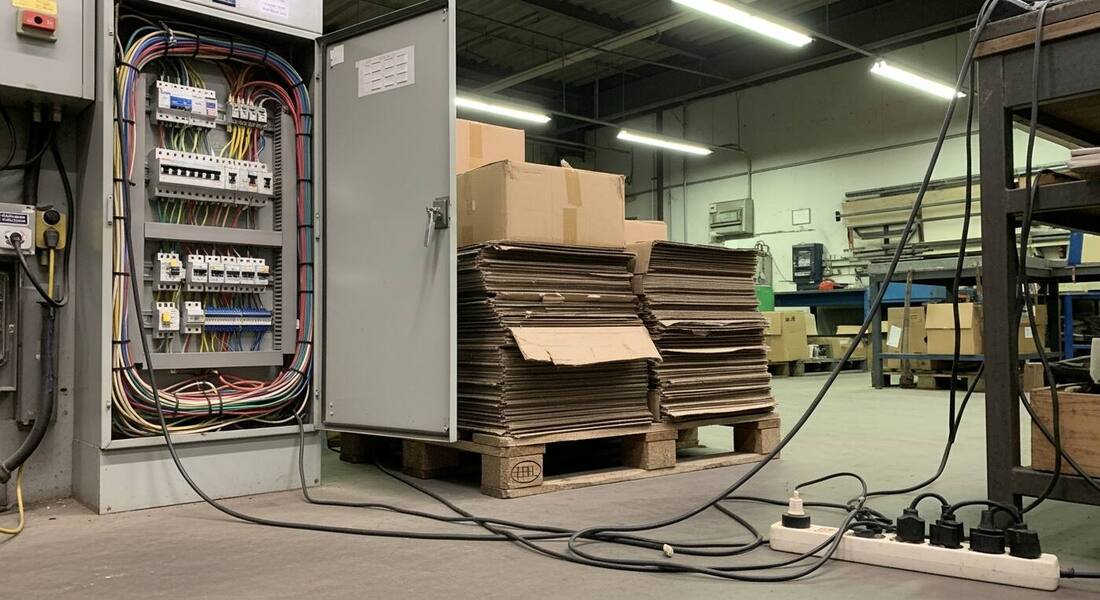
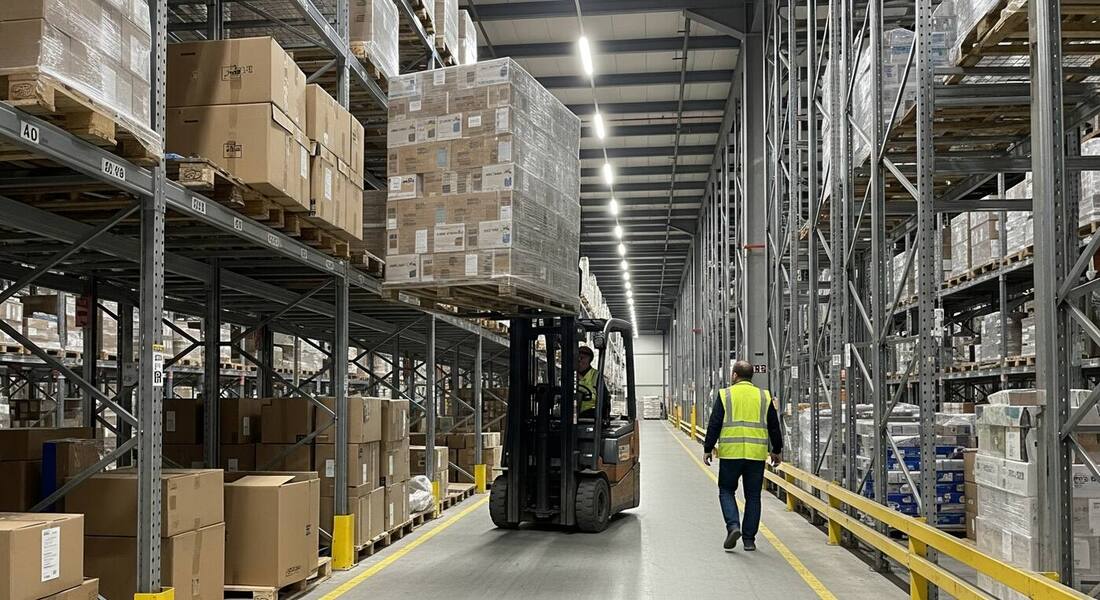
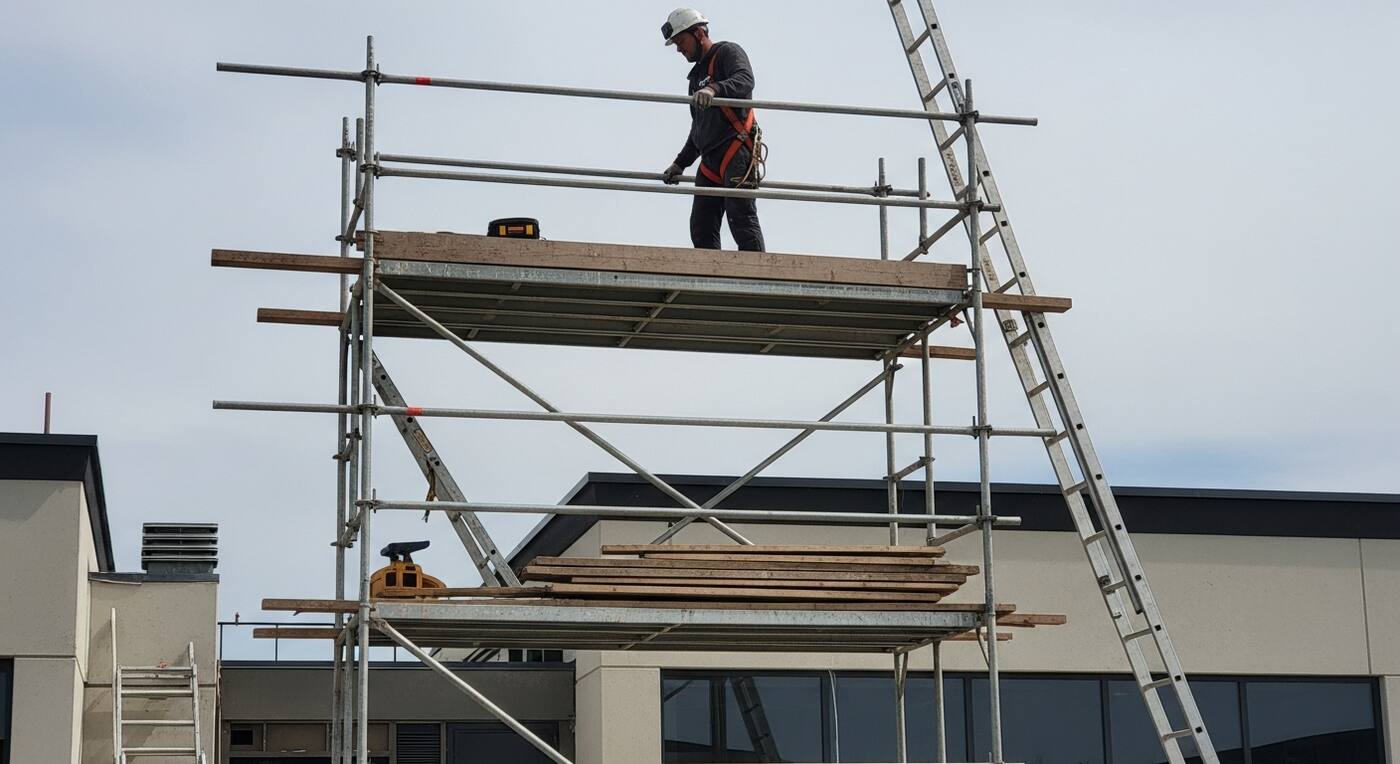
1
Set the scene
Start with context
Fill the frame
2–3 ft for close-ups; keep ladders, cords and workers fully in view.
OSHA Scan uses computer vision to turn a job-site photo into a preliminary safety review in seconds. Here is exactly what the AI analysis looks at, how it scores what it finds, and — just as important — what it cannot see.
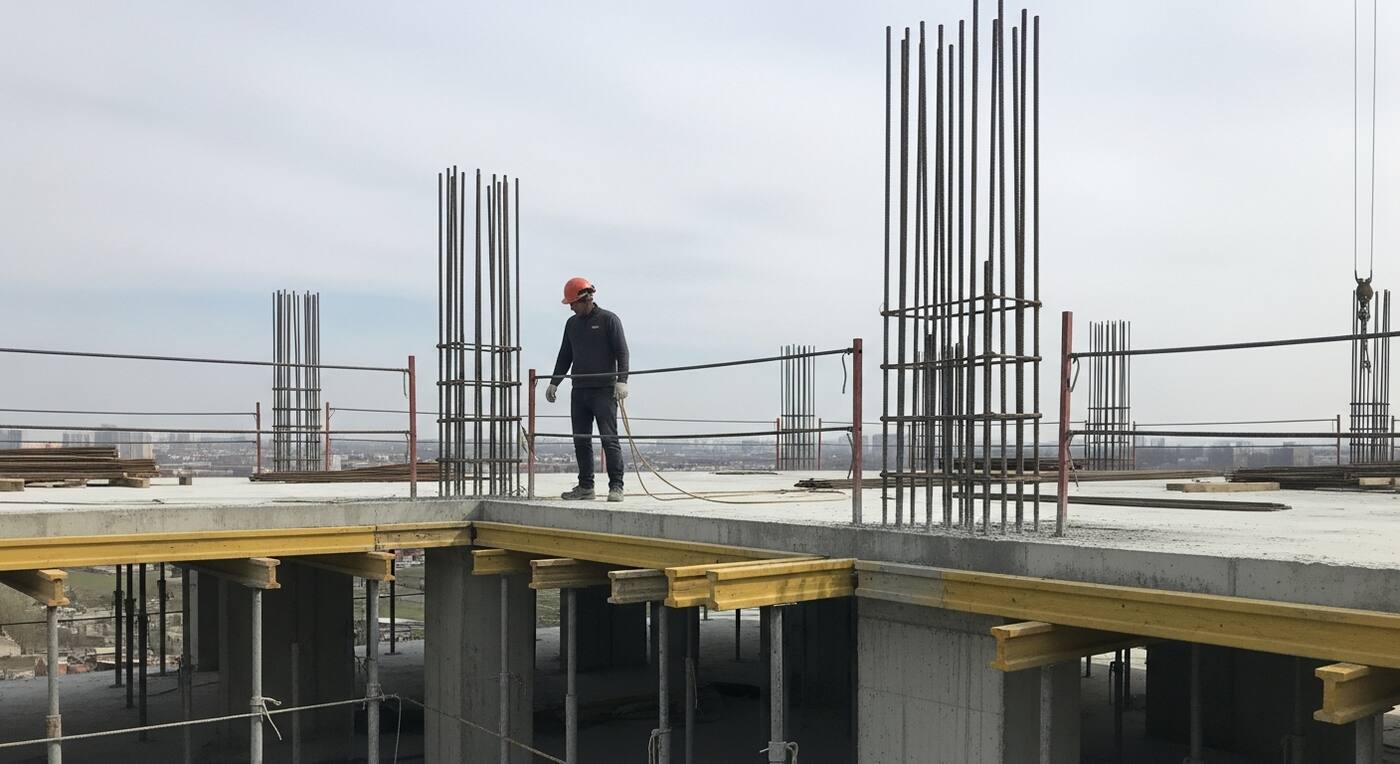
Fall protection
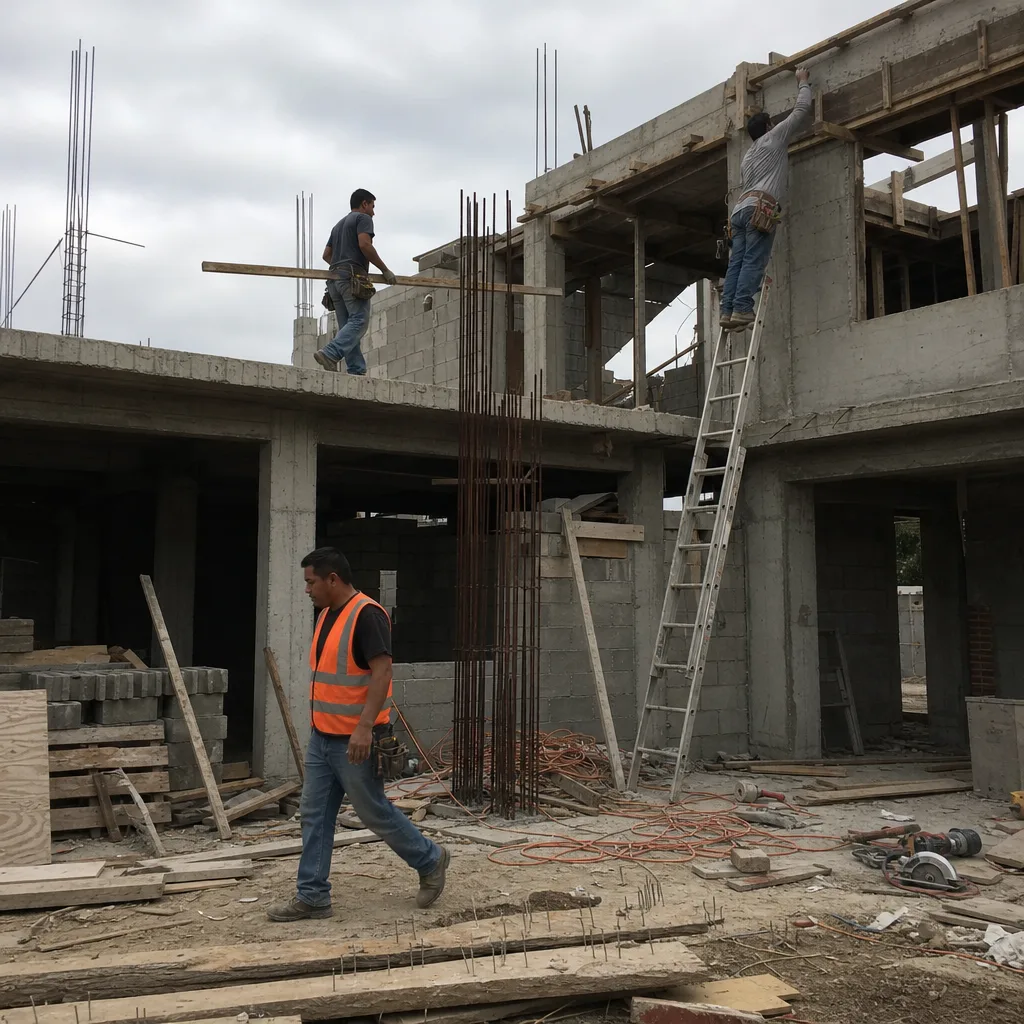
Open slab edges and uncapped rebar — 3 spots flagged
The whole review is designed so anyone on site can run it, not just a safety officer.
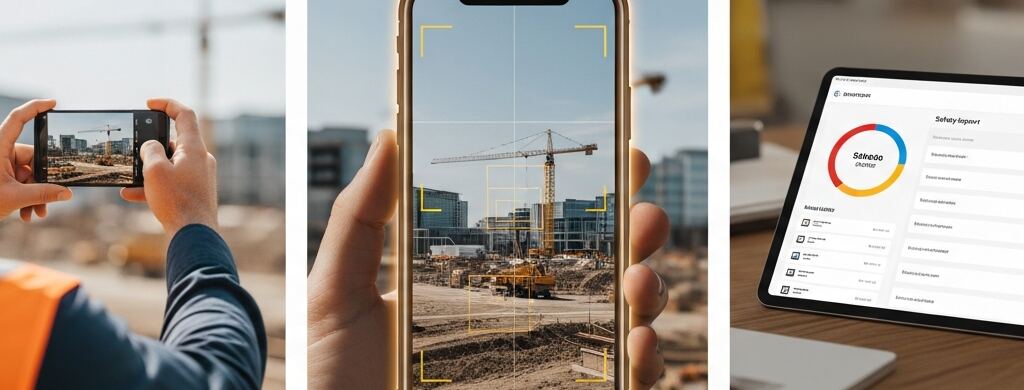
Snap or drop a photo of the work area — a wall, a walkway, a worker, a piece of equipment. No forms, no setup, no safety training required.
An AI vision model looks at everything visible in the image, flags the hazards it can see, and groups each one into a category such as fall protection, PPE, electrical, or housekeeping.
Each finding references the OSHA standard it may relate to and comes with a suggested corrective action, so you know what to fix and roughly where to look it up.
The score is a prioritization aid — a way to sort what to look at first. It is not an official OSHA determination.
Every finding is sorted into a hazard category and given a risk level — Critical, High, Medium, or Low — based on what is visible in the photo.
The 0-100 compliance score is computed from the number and severity of hazards detected — it is not a number the AI makes up. The same findings always produce the same score.
A single photo has limits, so each finding carries an AI confidence level. It tells you which results are clearly visible and which are worth a closer look in person.
Here is an example of the report a scan produces — findings, risk levels, possible OSHA categories, and a score.
Compliance score
46
Lower means more potential hazards found
3 potential hazards found
Worker without a hard hat in an active overhead-work zone
HighPossibly related to head protection (29 CFR 1926.100)
Observed condition: Struck-by and falling-object injuries are among the most common serious incidents on construction sites.
Corrective action: Provide and require a hard hat before re-entering the area; confirm overhead work is controlled.
High confidence
Unprotected leading edge with no guardrail
CriticalPossibly related to fall protection (29 CFR 1926.501)
Observed condition: Falls are the leading cause of construction fatalities; an open edge above six feet is a critical exposure.
Corrective action: Install a compliant guardrail or use a personal fall arrest system before work continues near the edge.
Medium confidenceNot fully clear from the photo — verify on site.
Exposed rebar without protective caps
MediumPossibly related to impalement / rebar protection (29 CFR 1926.701)
Observed condition: Uncapped rebar can cause impalement injuries during a slip, trip, or fall onto the bars.
Corrective action: Cap or bend exposed rebar ends and keep the area around it clear.
High confidence
OSHA Scan reads a single photo. That makes it fast and easy for anyone on site — but it also means it has real limits. Here's an honest look at both.
You upload a photo and an AI vision model reviews everything visible in the frame. It flags the hazards it can see, groups them by category, references the OSHA standard each one may relate to, and returns a 0-100 compliance score plus a corrective-action checklist — usually in about 15 seconds.
The score is computed deterministically from the number and severity of hazards detected in the photo — it is not a number the AI invents. A lower score means more or more-severe hazards were found. It is a prioritization aid, not an official OSHA determination.
A single photo has limits, so each finding carries an AI confidence level. High-confidence findings are clearly visible; lower-confidence findings are worth a closer look by a person on site. Confidence helps you decide what to verify rather than treating every result as certain.
Always, for anything beyond a quick visual check. OSHA Scan is an AI-assisted preliminary review. Formal inspections, measurements, confined-space entry, and legal compliance decisions require a competent person as defined by OSHA — the tool supports that work, it does not replace it.
Reviewed by OSHA Scan Editorial
Last updated August 29, 2026
This content is produced by the OSHA Scan Editorial team and reviewed with AI assistance. It is general safety information, not legal or compliance advice. OSHA Scan is an independent tool and is not affiliated with, endorsed by, or certified by OSHA or the U.S. Department of Labor.
Upload a job-site photo and watch the analysis run: compliance score and hazard count in seconds. No account needed to scan — create a free account to unlock the full report.
Use the real site or facility name. If you save the scan after signup, it becomes the report name.
Three angles, one deeper scan
Only the wide shot is required — every extra angle gives the AI more places to look.
Required: Set the scene — one wide shot lets the AI sweep the whole area at once
Stand at the entry point and capture corner to corner: floors, ladders, scaffolds, and everyone at work
Drop a job-site photo or walkthrough video
Click to upload, drag & drop, or snap a photo on site. Photos scan free in about 15 seconds — no signup, no card. Video walkthroughs (up to 3 min) run on a free account.
Small habits, sharper scans
Set the scene
Start with context
Fill the frame
2–3 ft for close-ups; keep ladders, cords and workers fully in view.
Capture clearly
Make the frame usable
Light it right
Keep the sun or lights behind you — glare and shadows hide hazards.
Tap to focus
Tap the hazard on screen and hold still one second — blur can't be flagged.
Choose the useful view
Give the AI room to understand
Go landscape
Turn your phone sideways — a wider frame catches more of the scene.
Only upload photos you have permission to use, and avoid images showing personal, customer, or confidential information. Demo photos and results are held privately for up to 48 hours so you can save them to a free account; unclaimed photos are deleted automatically. Results are an AI-assisted preliminary review, not an official OSHA determination.
New: Video walkthrough scans
Record up to 3 minutes of your site — the AI extracts frames and flags every hazard with exact timestamps. Free account required.
Get the best results
Wide shot first
Stand at the entrance and photograph the entire work area so AI sees the full context
Hazard areas
Photograph elevated surfaces, equipment, electrical panels, and anywhere workers are active
Close-ups last
Move in close on anything damaged, missing, or that looks risky — the AI catches more detail
Start with 5 included AI site scans plus a one-time 10-scan signup bonus — no credit card. Build JHA-ready reports and catch changing conditions sooner.
Start your free trial