
1
Set the scene
Start with context
Fill the frame
2–3 ft for close-ups; keep ladders, cords and workers fully in view.
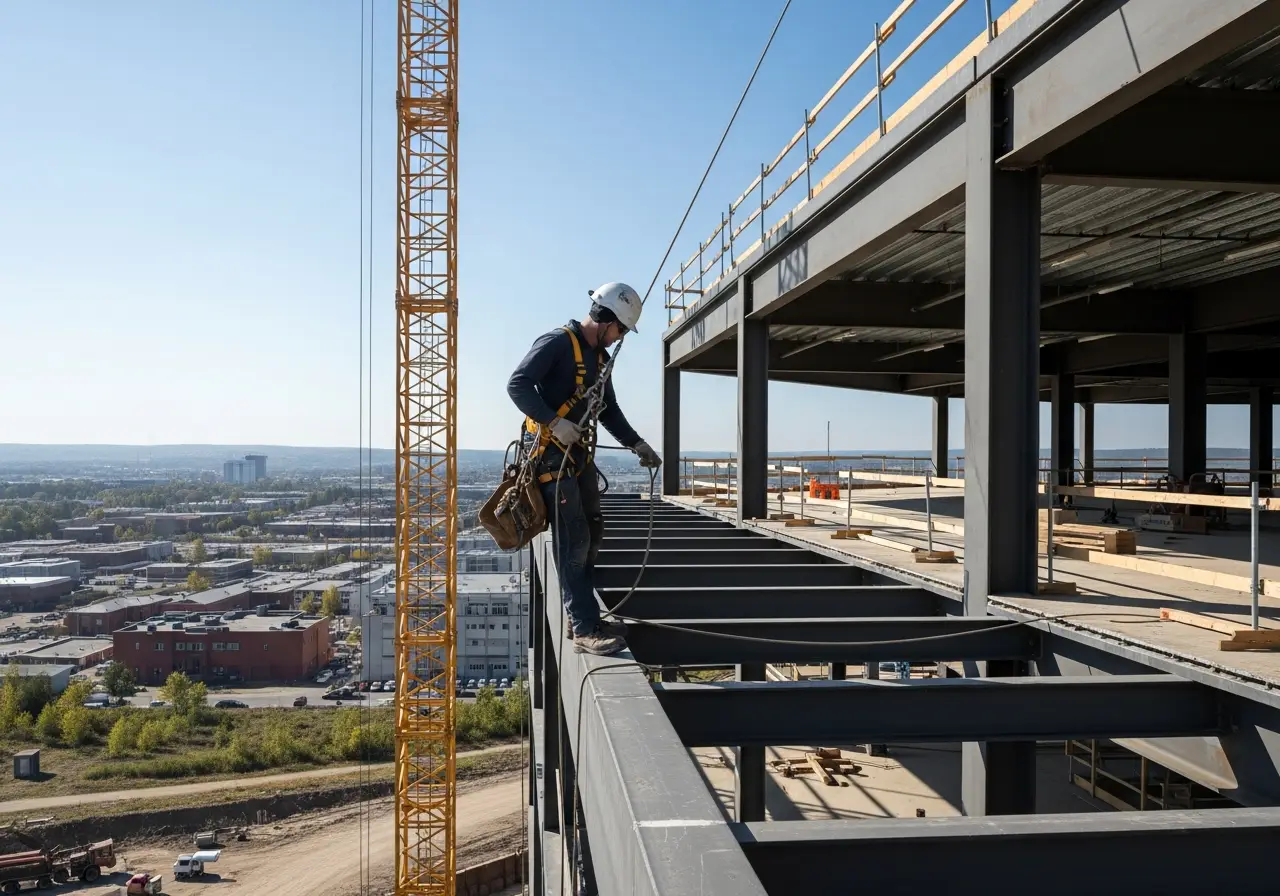
Leading edges, roof edges, floor holes, and fall arrest
Read the guide
Head, eye, hearing, respiratory, hand, and foot protection done right
Read the guide
Points of operation, pinch points, and moving-parts protection
Read the guide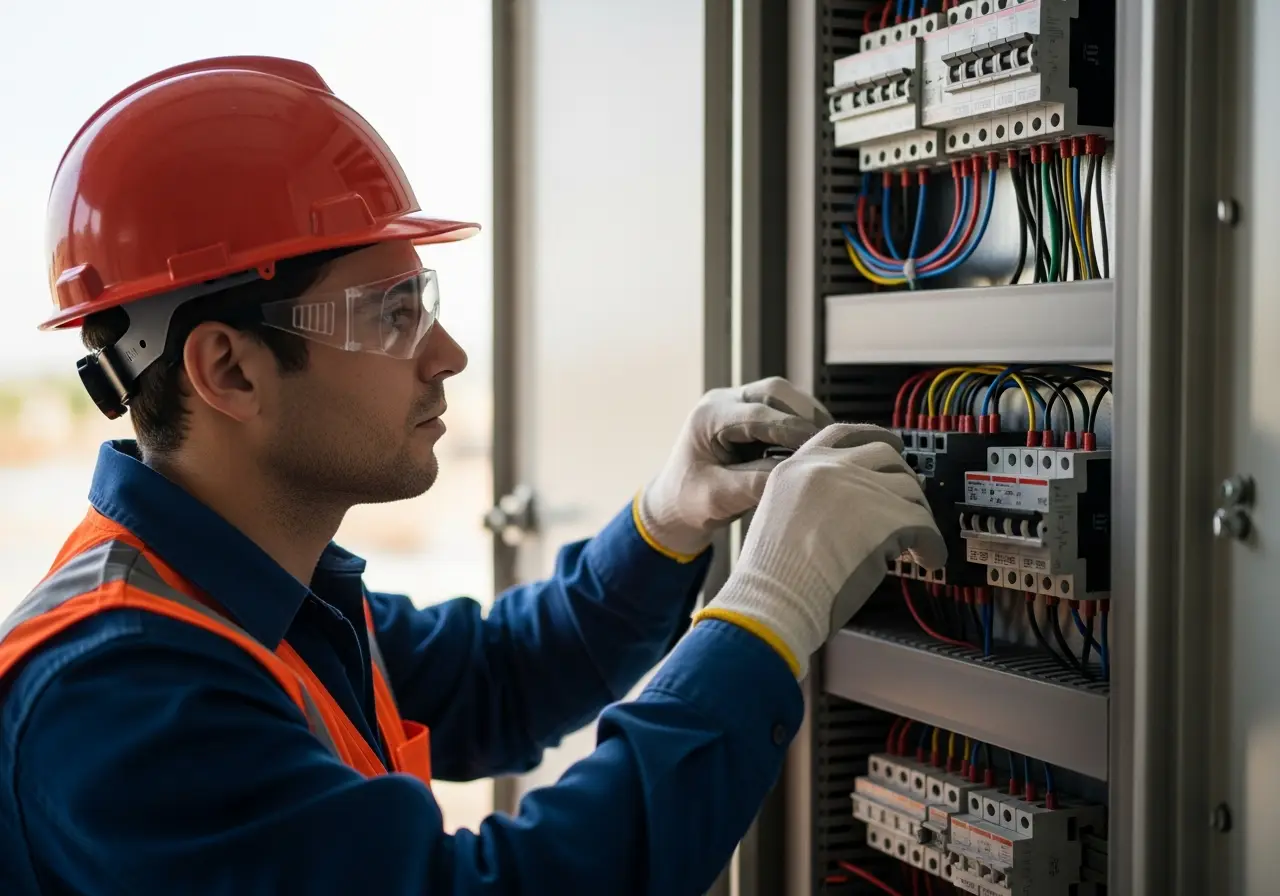
Arc flash, shock, and electrocution prevention
Read the guide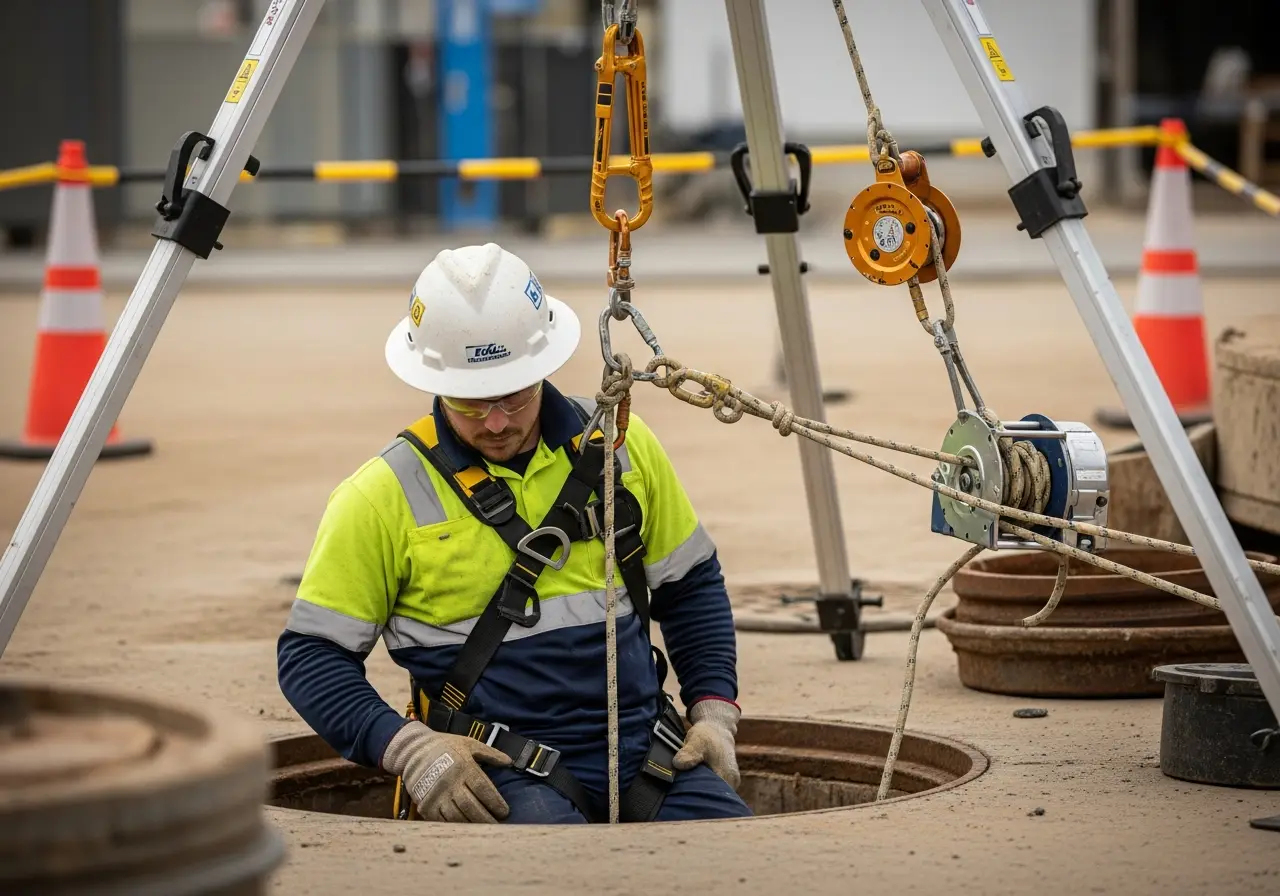
Atmospheric hazards, engulfment, and rescue failures
Read the guide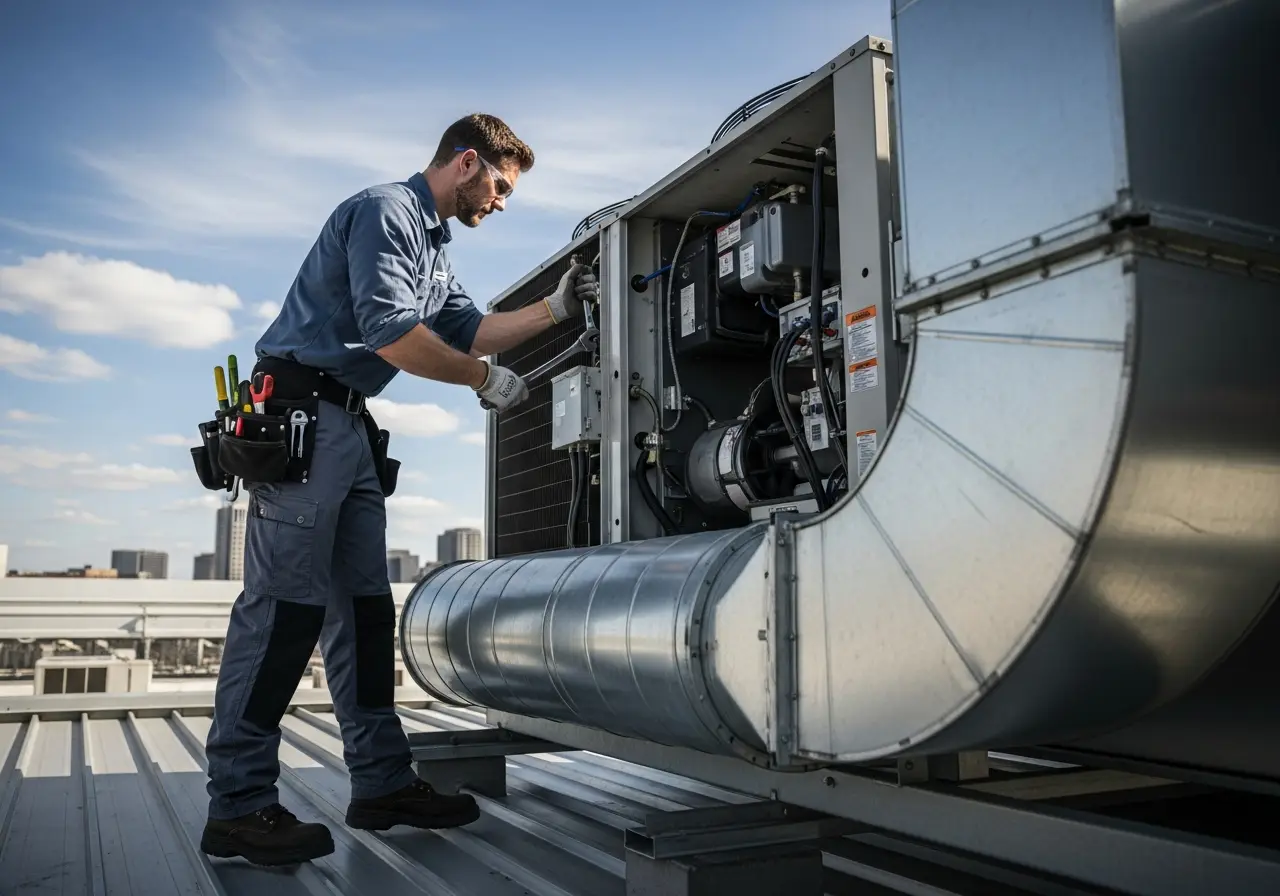
Refrigerant, electrical, confined space, and rooftop risks
Read the guide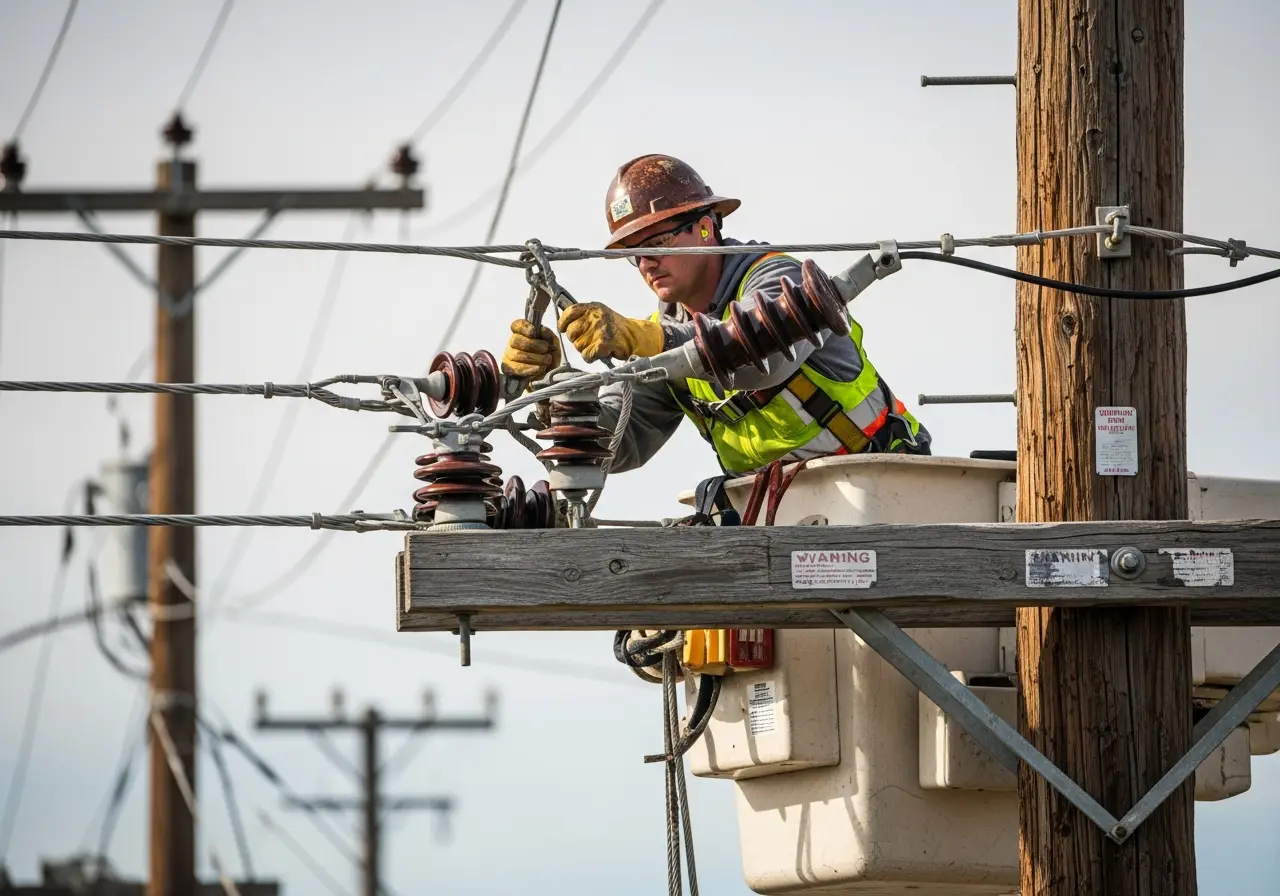
High voltage, arc flash, and falls from height
Read the guide
Fume exposure, fire, arc flash, and heat stress
Read the guide
Struck-by, rollover, blind spots, and load drops
Read the guide
Roof edges, fall arrest, ladders, and weather
Read the guide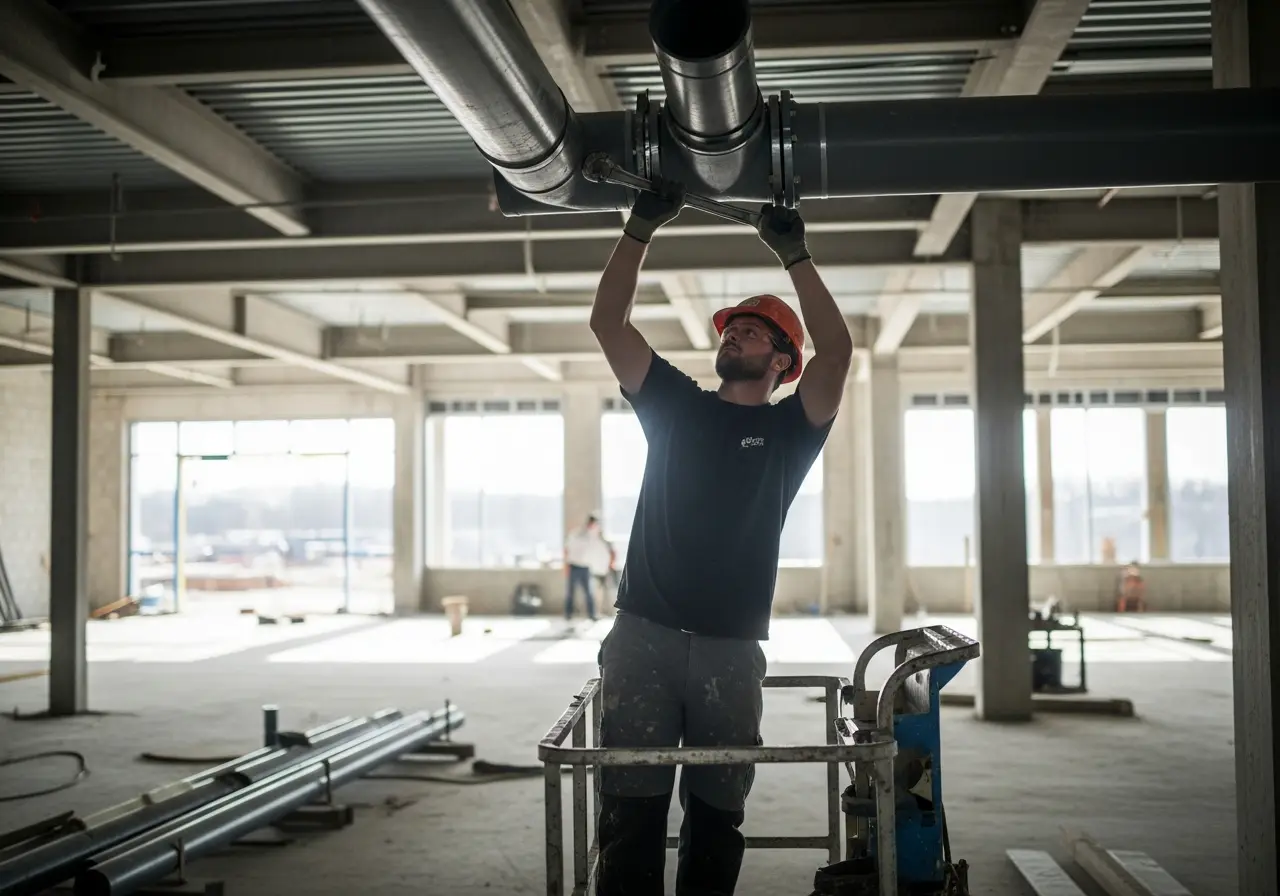
Confined spaces, sewer gas, trenches, and water pressure
Read the guide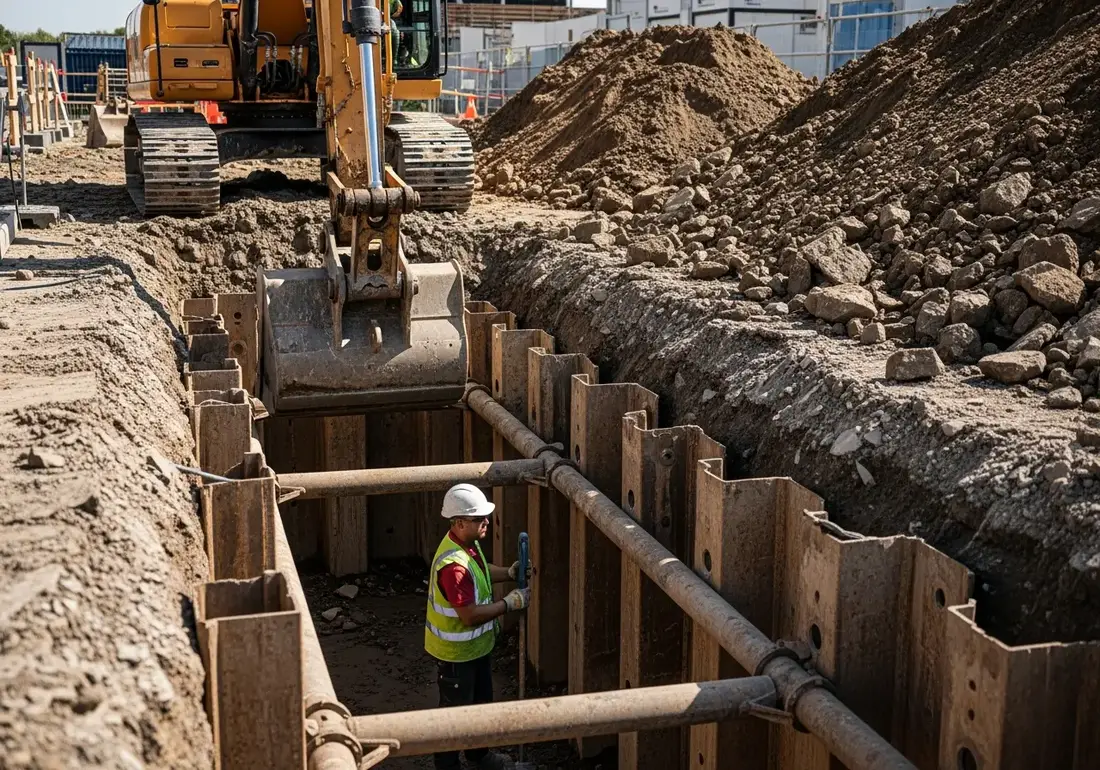
Cave-ins, engulfment, and atmospheric hazards
Read the guide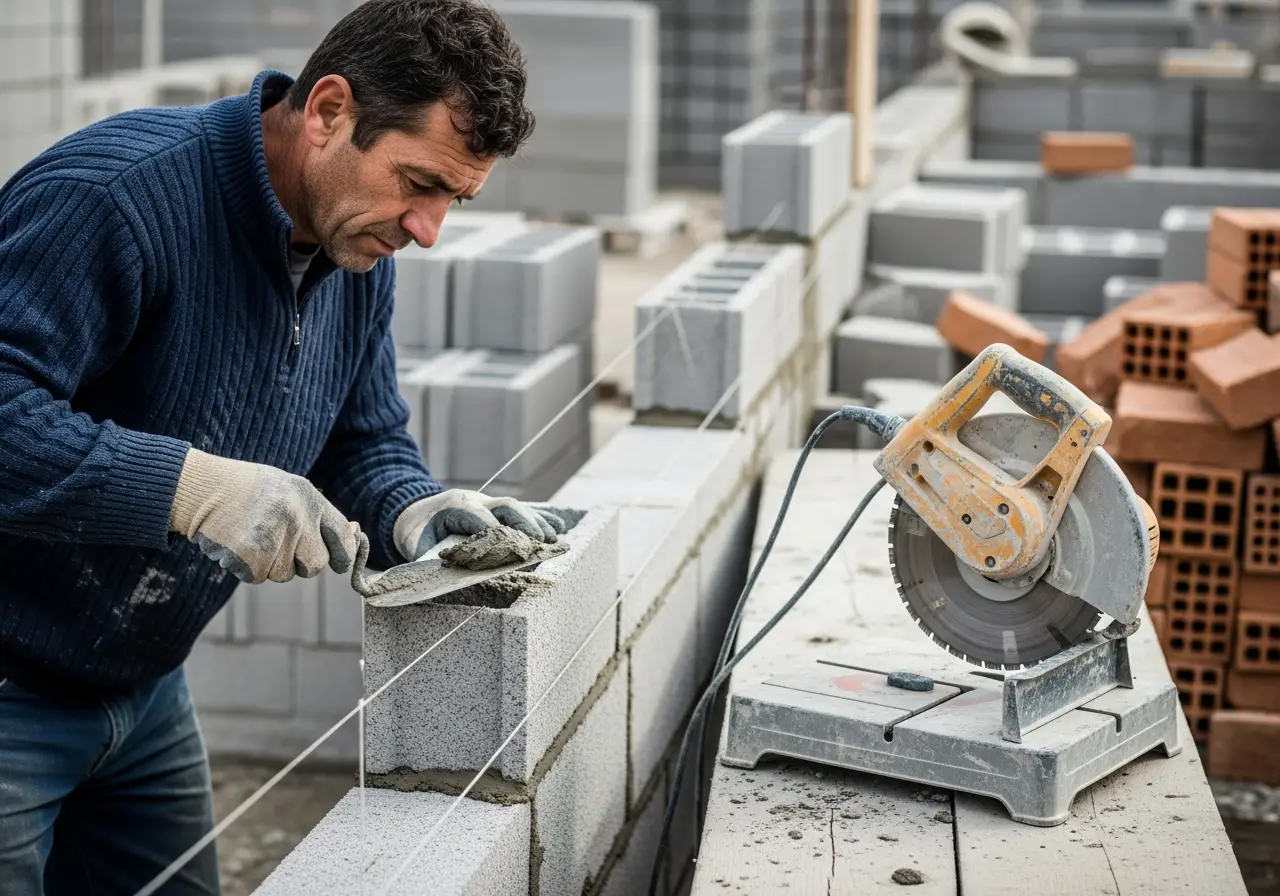
Silica dust, repetitive strain, and heat stress
Read the guide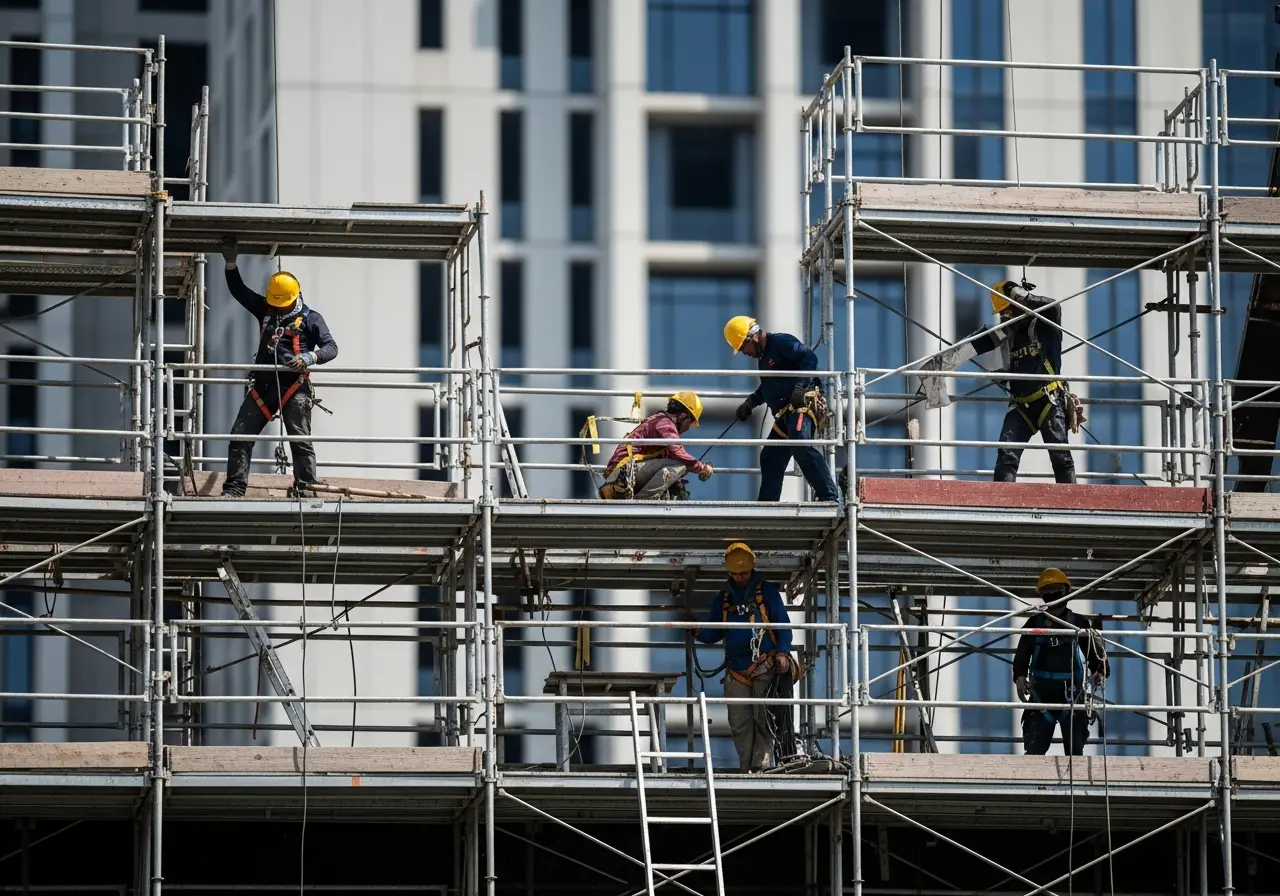
Falls, structural failure, and overloading
Read the guide
Struck-by, slips and falls, and ergonomic strain
Read the guide
Asbestos fibers, chemical exposure, and respiratory risk
Read the guide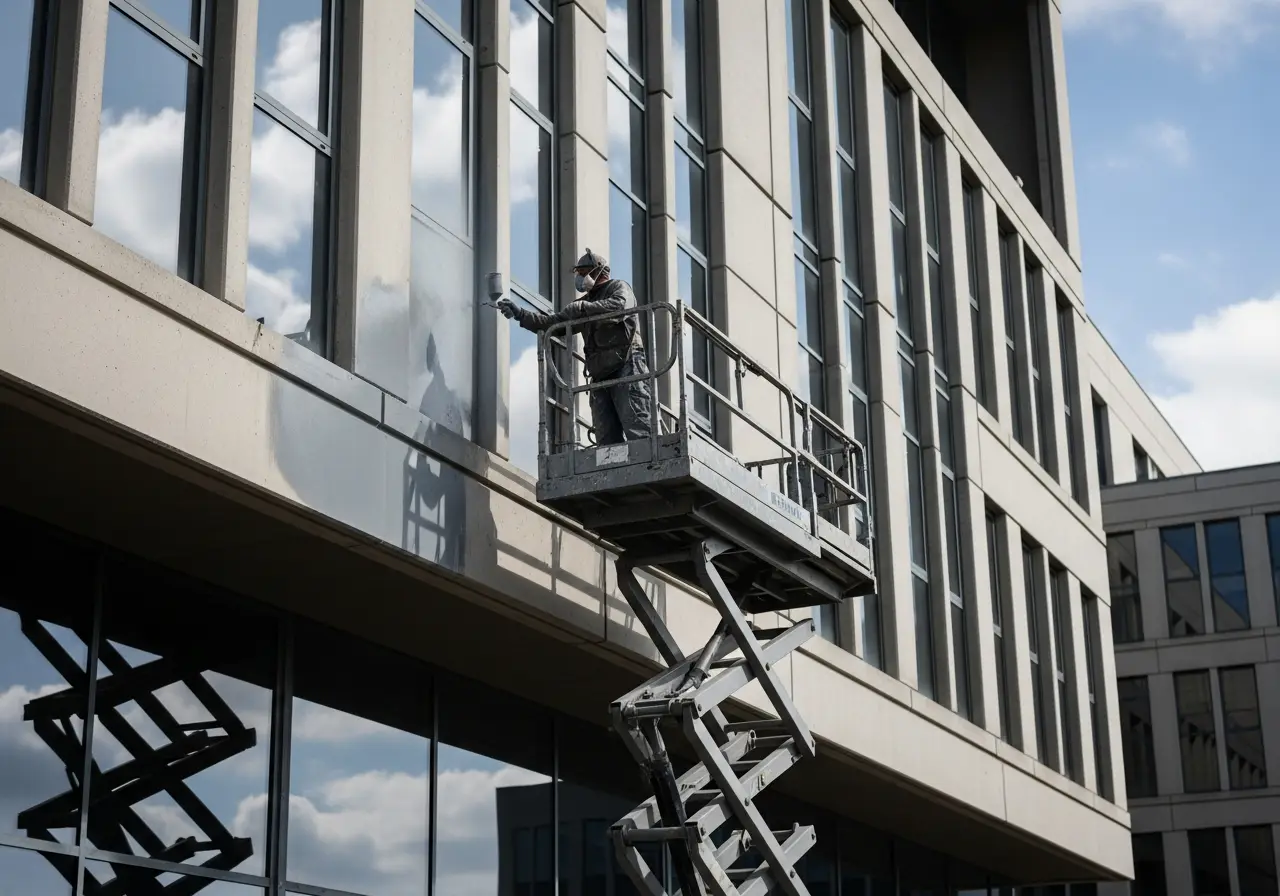
Solvent vapors, respiratory risk, and fire hazards
Read the guide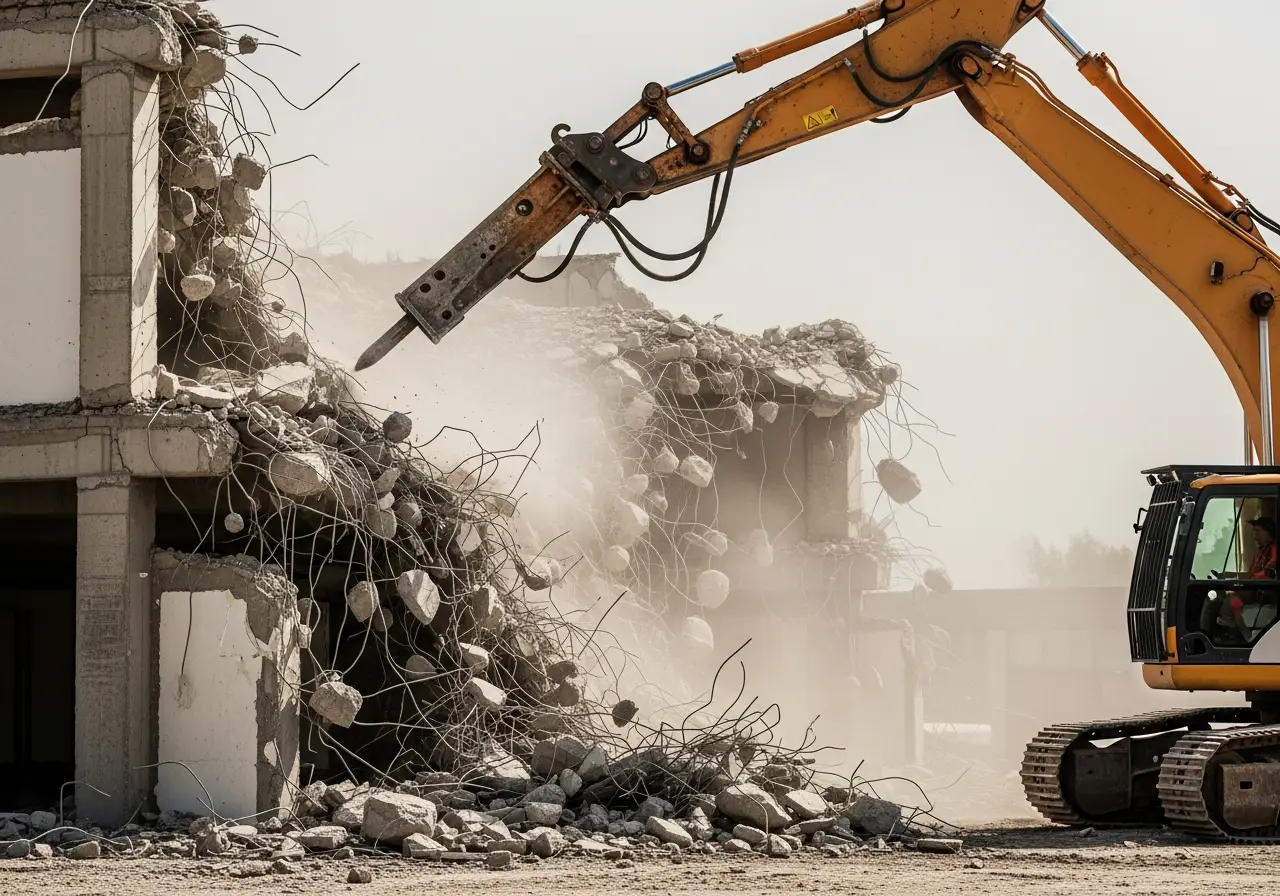
Structural collapse, hazardous materials, and struck-by
Read the guide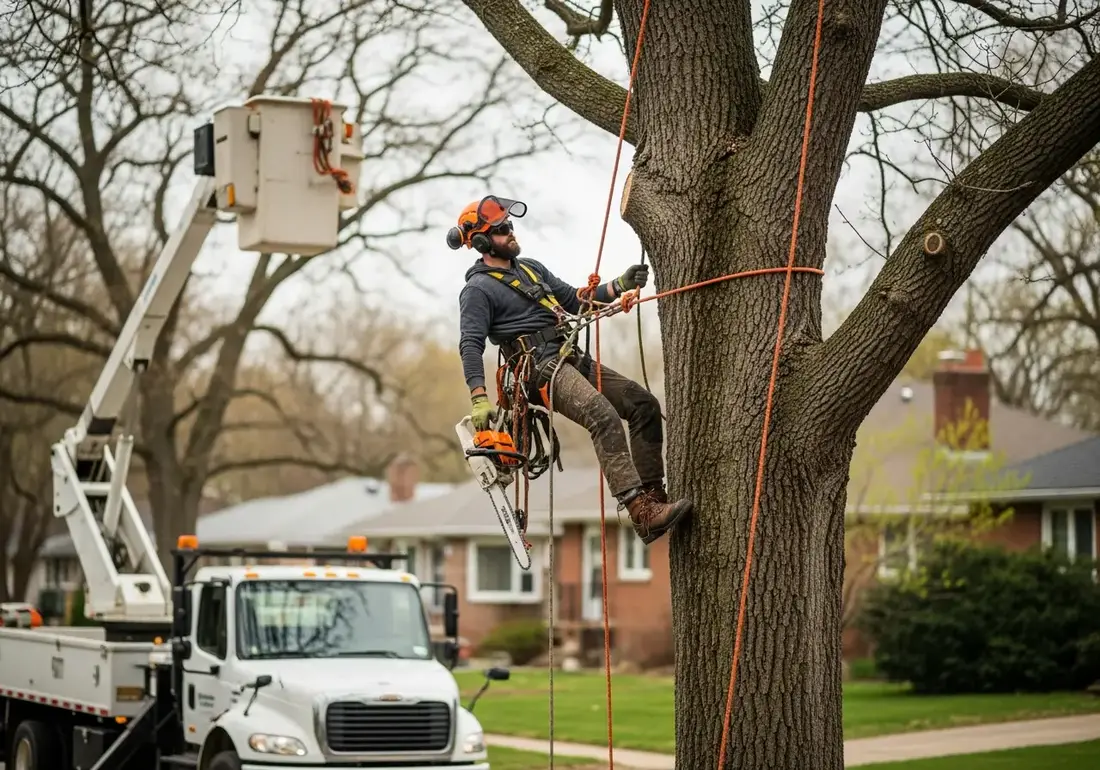
Falls, chainsaw injuries, struck-by, and electrical contact
Read the guideOSHA does not publish one rulebook per trade — the standards that apply to a roofer, an electrician, or a warehouse forklift operator are scattered across 29 CFR 1926 and 1910. Each guide above pulls the relevant standards together for one profession, so a supervisor can see in a few minutes which citations actually apply to the crew in front of them, what the most frequent violations look like on a real site, and which controls OSHA expects to be in place before work starts.
The fastest way to work through a guide: skim the hazard list first and note the ones present on your site today, then jump to the prevention section for those hazards and compare it against what your crew is actually doing. Every guide ends with a compliance checklist ordered the way an inspector would walk the job — run it before the shift, not after the incident.
Reading about hazards and spotting them in the field are different skills. That is why every guide pairs with the free photo scan below: upload a photo of your own job site and see which of these hazards the AI flags in it, with the OSHA standard cited next to each finding.
Upload a job-site photo and get a compliance score and hazard count in seconds. No account needed to scan — create a free account to unlock the full report.
Use the real site or facility name. If you save the scan after signup, it becomes the report name.
Three angles, one deeper scan
Only the wide shot is required — every extra angle gives the AI more places to look.
Required: Set the scene — one wide shot lets the AI sweep the whole area at once
Stand at the entry point and capture corner to corner: floors, ladders, scaffolds, and everyone at work
Drop a job-site photo or walkthrough video
Click to upload, drag & drop, or snap a photo on site. Photos scan free in about 15 seconds — no signup, no card. Video walkthroughs (up to 3 min) run on a free account.
Small habits, sharper scans
Set the scene
Start with context
Fill the frame
2–3 ft for close-ups; keep ladders, cords and workers fully in view.
Capture clearly
Make the frame usable
Light it right
Keep the sun or lights behind you — glare and shadows hide hazards.
Tap to focus
Tap the hazard on screen and hold still one second — blur can't be flagged.
Choose the useful view
Give the AI room to understand
Go landscape
Turn your phone sideways — a wider frame catches more of the scene.
Only upload photos you have permission to use, and avoid images showing personal, customer, or confidential information. Demo photos and results are held privately for up to 48 hours so you can save them to a free account; unclaimed photos are deleted automatically. Results are an AI-assisted preliminary review, not an official OSHA determination.
New: Video walkthrough scans
Record up to 3 minutes of your site — the AI extracts frames and flags every hazard with exact timestamps. Free account required.
Get the best results
Wide shot first
Stand at the entrance and photograph the entire work area so AI sees the full context
Hazard areas
Photograph elevated surfaces, equipment, electrical panels, and anywhere workers are active
Close-ups last
Move in close on anything damaged, missing, or that looks risky — the AI catches more detail
Upload a photo of any job site and get an instant, OSHA-cited hazard report with a corrective-action checklist.
Start your free trial